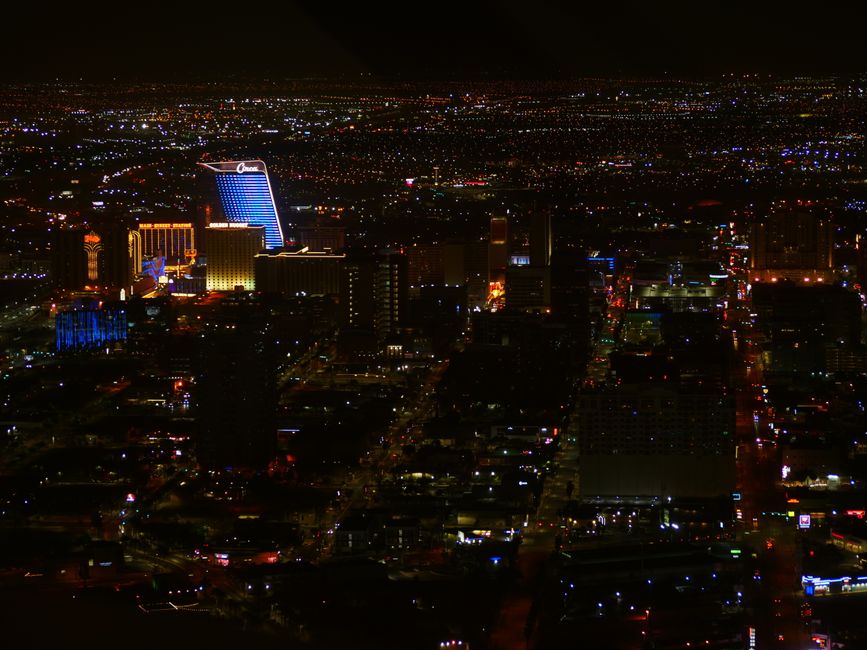
The thermometer hit 112 degrees on the Strip by mid-afternoon Saturday, and Las Vegas didn't blink. While municipal governments from D.C. to Philadelphia were scrubbing outdoor Fourth of July events from the calendar — citing dangerous heat indexes topping 108 degrees in cities not built for it — Clark County's Department of Parks and Recreation confirmed all scheduled public events would proceed, with cooling stations added at Sunset Park and Craig Ranch Regional Park. The contrast says something real about how this desert city has quietly engineered a heat infrastructure that most American metros are only now scrambling to build.
It matters right now because 2026 is shaping up as a turning point. Extreme heat advisories are no longer rare emergencies — they're recurring summer governance problems. Cities that lack the protocols, the shade infrastructure, and the public health staffing to manage mass outdoor gatherings in triple-digit temperatures are finding out this weekend just how exposed they are. Las Vegas, for all its contradictions, has been stress-testing those systems for decades out of pure necessity. The question local officials are grappling with is whether the city's heat-management edge is structural and replicable — or just a function of having a tourism economy that can't afford to close.
What Vegas Has That Other Cities Don't
The Southern Nevada Health District activated its Cooling Center Network on June 14, nearly three weeks before the Fourth of July peak, opening 22 facilities across the valley including locations at the West Las Vegas Library on West MLK Boulevard and the East Las Vegas Community Center on Stewart Avenue. The network operates under a protocol developed after a 2022 review found that Clark County's heat-related emergency room visits spiked 34 percent in a single July week — a figure that prompted the county commission to fund the current network at $4.1 million annually.
Compare that to Philadelphia, which scrambled to open cooling centers only after forecasters flagged the holiday weekend, or Washington, where the National Mall events committee announced cancellations just 48 hours before showtime. Dubai — a city that draws frequent comparisons to Las Vegas for its heat, its tourism dependence, and its artificial built environment — mandated outdoor construction bans between 12:30 p.m. and 3 p.m. starting decades ago and has since built a near-total culture of indoor and evening activity. Las Vegas has moved in a similar direction. The LVMS NASCAR events shifted sunset start times. The Life is Beautiful festival, which runs Fremont Street corridor each September, restructured its stage schedule in 2023 to push major performances past 7 p.m.
Fireworks, Crowds, and a City That Stays Open
Fremont Street Experience went ahead Saturday night with its annual America's Party event, drawing an estimated 60,000 people to the pedestrian mall between Main Street and Las Vegas Boulevard North. The Viva Vision canopy — 1,500 feet long and 90 feet overhead — functions as a genuine heat mitigation tool, not just a spectacle. Misting systems along the canopy's perimeter ran continuously from 6 p.m. onward. The Resort World Las Vegas and Caesars Entertainment properties both held rooftop fireworks displays visible from the I-15 corridor, with interior simulcast viewing options for guests who stayed air-conditioned.
None of this is cheap. Clark County's total heat-emergency preparedness budget for fiscal year 2026 runs to approximately $11.7 million when health district funding, parks staffing overtime, and Nevada Highway Patrol deployment are added together. That's a real investment — but it's also the cost of keeping a $100 billion tourism economy functional in July.
For residents planning to spend any part of Sunday outdoors, the Health District recommends staying hydrated with at least 32 ounces of water per hour during peak heat and avoiding the Mojave sun between 10 a.m. and 5 p.m. Emergency cooling is available at the Stupak Community Center on West Wyoming Avenue and the Meadows Mall on Valley View Boulevard, both open through the holiday weekend. The forecast calls for 109 degrees Sunday afternoon. Las Vegas will be open.