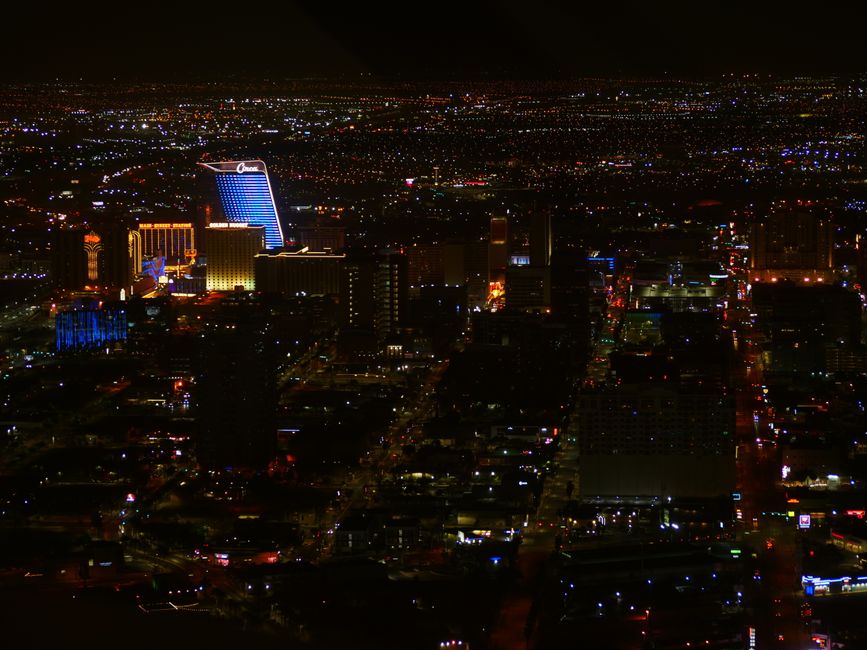
Las Vegas enters the Fourth of July weekend not with fireworks—temperatures nudging 112 degrees Fahrenheit have forced the cancellation of several outdoor events along the Strip corridor—but with a stack of unresolved civic questions that will demand answers before fall. Water policy, housing affordability, and the fate of a proposed transit link between the Convention Center and downtown are all moving toward decision points simultaneously, and the city can't kick them all down the road.
The timing matters because the Southern Nevada Water Authority is scheduled to present its updated conservation tier pricing to the Clark County Commission on August 12. That single meeting could determine whether residential water bills jump by an estimated 18 percent starting in January 2027. The Colorado River's Lake Mead reservoir sat at roughly 34 percent capacity as of late June, well below the threshold that triggers mandatory cutbacks under federal Tier 2 shortage rules. Las Vegas already recycles about 99 percent of its indoor water, a statistic officials cite often, but the outdoor irrigation problem—accounting for around 60 percent of total residential use—remains stubbornly difficult to solve through pricing alone.
Housing Pressure Builds on Both Sides of Interstate 15
Downtown Las Vegas and the Fremont East Entertainment District have absorbed a wave of new residents over the past three years, but the supply of affordable units has not kept pace. The City of Las Vegas Planning Commission is weighing a rezoning application for a 4.2-acre parcel on Commerce Street, just south of the Arts District's 18b boundaries, that a Phoenix-based developer wants to convert into a 312-unit market-rate apartment complex. Neighborhood advocates from the Get Loud Vegas coalition have pushed back, arguing the project would accelerate displacement of lower-income tenants already squeezed by average one-bedroom rents that crossed $1,450 a month earlier this year—up from $1,180 in mid-2023.
Separately, the Nevada Housing Division's Silver State Affordable Housing Trust Fund has roughly $47 million in uncommitted dollars sitting in its account, money that legislators earmarked in the 2025 session. The fund's advisory board meets in Carson City on July 22, and several Las Vegas nonprofits—including Nevada HAND, which manages more than 4,000 units across the valley—are expected to submit proposals for projects in the Naked City neighborhood near Sahara Avenue and in the Huntridge area east of Maryland Parkway. How aggressively the board deploys that capital will tell you a lot about whether the state is serious about the affordability problem or content to manage it slowly.
Transit, Tourism and the Corridor Question
The Regional Transportation Commission of Southern Nevada has been studying a dedicated bus rapid transit line along the Maryland Parkway corridor since 2019. A revised environmental review is due to the Federal Transit Administration by September 30, and the RTC board has a funding resolution on its agenda for August. Without a board vote this summer, the project loses its slot in the federal funding queue and almost certainly gets pushed to 2029 at the earliest—a delay that transit advocates say would leave tens of thousands of essential workers, many of them casino-resort employees commuting from apartments along Eastern Avenue and Nellis Boulevard, without a viable alternative to driving.
The city is also watching the ongoing uncertainty around Allegiant Stadium's calendar. The 2026 FIFA World Cup brought Las Vegas five group-stage matches and one round-of-16 game, generating an estimated $350 million in direct visitor spending according to the Las Vegas Convention and Visitors Authority's preliminary figures. That revenue surge is already fading, and the LVCVA board meets July 15 to discuss how to fill the second half of 2026 with events that can partially replace it.
None of these decisions will be made in isolation. The water pricing vote affects development economics. Development economics affect where affordable housing gets built. Where people live affects whether the transit line pencils out politically. City residents who want a voice in any of it have public comment opportunities at the Clark County Commission chambers at 500 South Grand Central Parkway on August 12, and at the RTC board room on August 5. Show up or send written comment—either way, the decisions happen on schedule.