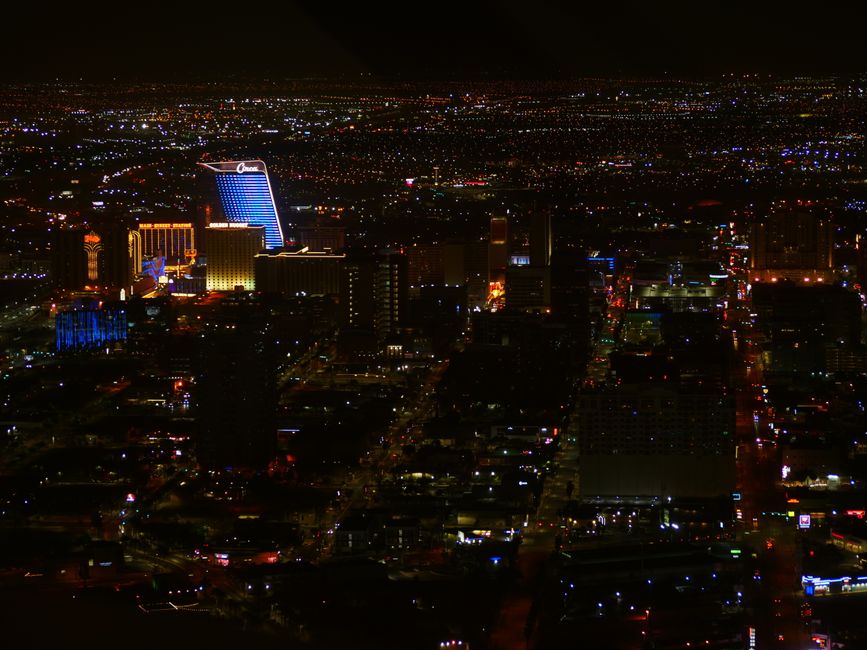
Las Vegas hit 112 degrees Fahrenheit on Thursday, July 3 — and while that's not a record, it arrived at the worst possible moment. Cities from Washington, D.C., to Philadelphia cancelled Fourth of July fireworks and outdoor gatherings because of extreme heat. Southern Nevada residents, who deal with these temperatures every summer, are still watching two of their own major holiday events hanging in the balance, with Clark County officials monitoring Strip-adjacent programming through the afternoon hours before confirming whether Downtown Las Vegas Events Center festivities on Fremont Street would proceed at full scale.
The timing matters. Las Vegas already loses an estimated $2.1 billion annually in economic activity tied to heat-related disruptions, according to University of Nevada Las Vegas Environmental Studies research published in 2025. When the rest of the country gets a once-a-decade taste of what locals endure for three months straight, it tends to sharpen the national conversation around infrastructure and public cooling — conversations the city has been pushing in Washington for years.
The Local Ripple From Global Instability
Beyond the thermometer, the week brought the kind of international turbulence that has direct consequences for a city built on tourism and conventions. The death of Iran's Supreme Leader Ali Khamenei and the massive state funeral in Tehran on July 4 sent oil markets skitching upward. Jet fuel prices climbed roughly 4 percent in 48 hours, according to Airlines for America data tracked Thursday. McCarran International — officially Harry Reid International Airport — processed more than 50 million passengers in 2025. Even modest increases in fuel costs translate quickly into higher airfares, and higher airfares translate into fewer visitors walking down Las Vegas Boulevard.
The Las Vegas Convention and Visitors Authority has already flagged softening international booking numbers for Q3 2026, partly attributable to U.S. travel restrictions that have redirected some foreign tourism dollars toward Mexico City and Cancún. The LVCVA's June forecast, released June 27, projected a 3.1 percent dip in international arrivals compared to the same quarter in 2025. That's not catastrophic — but for a city where hospitality and gaming tax revenue funds everything from CCSD classroom supplies to road resurfacing on Sahara Avenue, the margin matters.
Closer to home, the Southern Nevada Water Authority confirmed this week that Lake Mead's elevation sits at 1,072 feet above sea level — still well above the critical 1,050-foot threshold that would trigger Tier 3 water restrictions — but the combination of record summer heat and reduced Colorado River inflows has the agency on heightened watch status. Stage 2 landscape irrigation limits remain in effect across the valley, meaning residential properties from Henderson's Green Valley Ranch neighbourhood to the northwest Las Vegas communities near Centennial Hills are restricted to two watering days per week.
What Residents Should Know Heading Into the Weekend
The Las Vegas Fire and Rescue Department activated its extreme heat protocol on July 2, opening cooling centres at seven Clark County Library locations, including the West Charleston Branch on West Charleston Boulevard and the Sahara West Library off Cimarron Road. Both facilities are open until 9 p.m. through the holiday weekend. Residents are urged to check on elderly neighbours — Clark County recorded 23 heat-related deaths in the first two weeks of June alone, a pace that outstripped the same period in 2024.
For anyone planning to watch professional fireworks from the Strip rooftops or public viewing areas near the High Roller observation wheel at the LINQ Promenade, the National Weather Service Las Vegas office is forecasting temperatures to remain above 98 degrees even after 9 p.m. Saturday. Hydration stations will be stationed at the corner of Las Vegas Boulevard and Flamingo Road, operated by the city's Office of Community Services.
The larger picture: Las Vegas is watching a world in flux — volatile energy markets, shifting tourism flows, political instability in regions that feed the city's convention economy — while simultaneously managing an environment that demands constant local vigilance. Both require attention. Neither is going away.