wellness
Las Vegas Residents Transform Bedrooms Into Sleep Sanctuaries With Science-Backed Tips
Las Vegas never sleeps, but you should, and these room-by-room fixes can make all the difference.
How we reported this
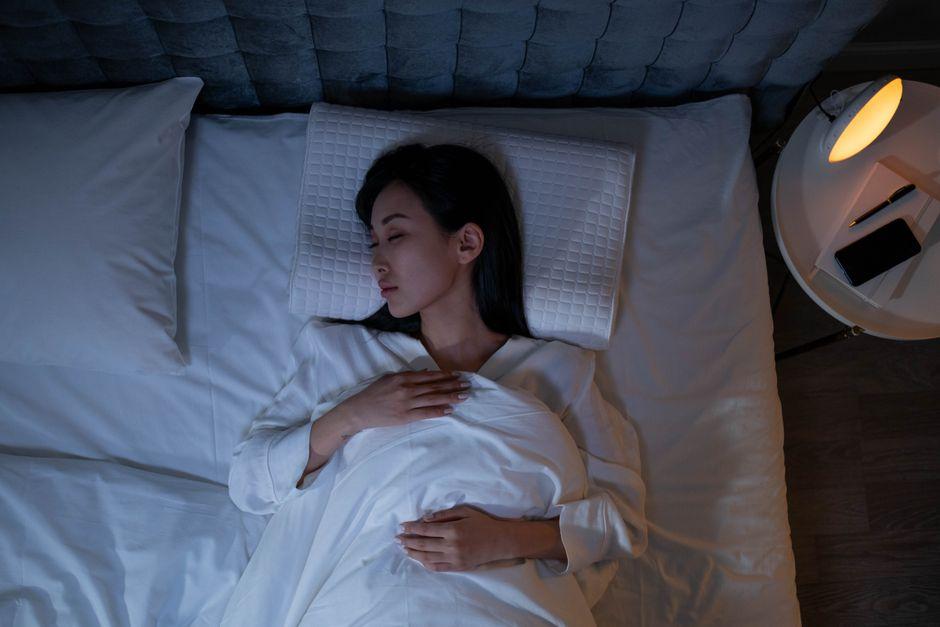
The average Las Vegas resident gets 6.1 hours of sleep per night, according to 2025 data compiled by the Nevada Office of Public Health Informatics, nearly a full hour below the CDC's minimum recommended seven hours for adults. Strip-adjacent neighborhoods report the worst numbers. Noise, light pollution from casino marquees, and irregular work schedules tied to the hospitality industry are the main culprits, sleep specialists at the University of Nevada Las Vegas Sleep Research Lab have repeatedly flagged in their quarterly bulletins.
Hormonal and neurological research published earlier this month has renewed public conversation about sleep quality, particularly around melatonin's role in helping the body read environmental cues. The upshot for ordinary people is straightforward: your bedroom is either working for your sleep or against it, and most people have never run a serious audit of the room. In a city where 40 percent of the workforce logs at least one overnight or rotating shift per week, a figure from the Las Vegas Convention and Visitors Authority's 2025 workforce report, getting that audit right carries real stakes.
What the Checklist Actually Covers
Start with light. Blackout curtains are the single highest-return investment for most Las Vegas sleepers. The Fremont East Entertainment District, Henderson's Water Street corridor, and virtually any apartment within a mile of the Las Vegas Strip face ambient light levels that can exceed 10 lux even at 3 a.m., enough to suppress melatonin production. Quality blackout panels from local retailers like Bed Bath & Beyond on South Rainbow Boulevard or online direct-to-consumer brands run $40 to $120 per window. That is the floor, not the ceiling, but even entry-level blackout fabric blocks 98 percent of external light.
Temperature is next. Sleep medicine consensus puts the optimal bedroom temperature between 65 and 68 degrees Fahrenheit. Running central air to those levels in July in Las Vegas, where daytime highs routinely exceed 110°F, adds roughly $18 to $25 per month to a Nevada Energy bill depending on home size and insulation quality. That cost is recoverable. Chronic sleep deprivation costs American employers an estimated $411 billion annually in lost productivity, per a 2023 RAND Corporation analysis, and individuals shoulder most of that burden in the form of impaired cognition and higher healthcare utilization.
Sound is the third pillar. White noise machines in the $30 to $80 range, carried at the Target on Sahara Avenue and the Walmart Supercenter on Craig Road in North Las Vegas, mask the irregular spike-and-silence pattern of city noise that disrupts sleep architecture far more than steady ambient sound. Earplugs are cheaper still, though they are not adequate for people who need to hear alarms or children. The Desert Research Institute, based on Shadow Lane Boulevard near the medical district, has documented that Las Vegas valley nighttime noise averages 52 decibels in residential zones, the equivalent of a running refrigerator, continuous.
The Gear Versus the Habits Problem
No checklist survives contact with a screen. Blue light from phones and tablets delays sleep onset by an average of 27 minutes, according to research from Harvard Medical School's Division of Sleep Medicine, and that number climbs with age. The practical fix is a firm device cutoff 45 minutes before the target sleep time, not a gentle suggestion, a hard rule. The UNLV Student Wellness Center on Maryland Parkway has been incorporating this as a structured component of its sleep hygiene workshops since January 2026, and the Vegas-based nonprofit Healthy Southern Nevada lists it as step one in its community sleep curriculum distributed at Clark County Library branches.
The full checklist, in order of impact: blackout the room, cool it to 65-68°F, add consistent white noise, remove screens 45 minutes before bed, and evaluate your mattress every eight years, the industry standard that most people ignore. For anyone in a casino or hotel job with a rotating schedule, adding a sleep tracking app like Sleep Cycle or Oura can surface shift-specific patterns worth discussing with a primary care provider. The Southern Nevada Health District's clinic network on West Sahara offers sleep-focused wellness consultations; appointments run about $35 with Medicaid and $120 out of pocket. Make the call.