Las Vegas renters are increasingly flocking to new build-to-rent communities, with at least four major developments opening since last summer along Blue Diamond Road and in the Southwest Valley. Backed by institutional investors, these new neighborhoods offer resort-style amenities and single-family living—but monthly rent is often higher than a comparable mortgage payment, leaving tenants with tough choices in a city known for affordability debates.
Why Build-to-Rent Is Surging in the Valley
The build-to-rent trend has exploded just as homeownership in Las Vegas has become out of reach for many. The median single-family home now lists at $469,000, according to Las Vegas Realtors’ June report—a figure up nearly 6% year on year. With 30-year mortgage rates locked above 7%, the median monthly payment hovers near $3,000, even before utilities and insurance. Renters facing stiff competition and higher rents, meanwhile, are looking for alternatives to aging apartment complexes or unstable short-term leases.
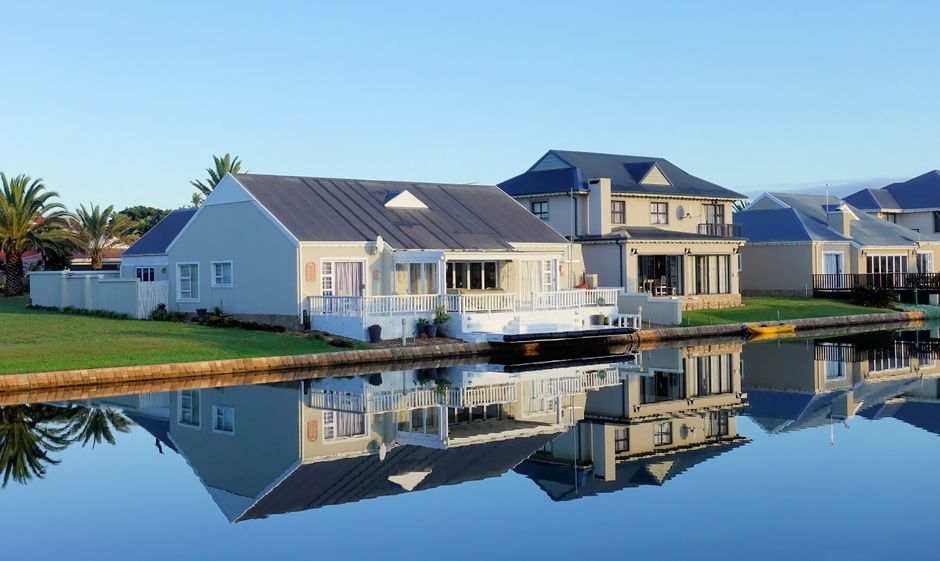
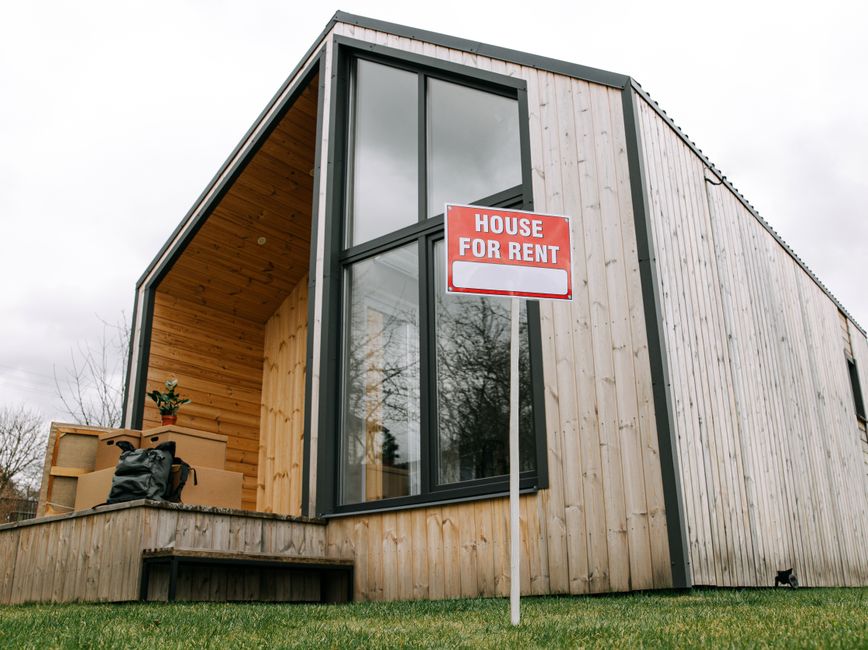
In the past year, firms like NexMetro and Christopher Todd Communities have completed more than 1,200 build-to-rent homes in the metro area. NexMetro’s "Avilla Buffalo" community near Centennial Hills advertises two-bedroom detached units for $2,310 a month, touting private backyards, pet parks, and no maintenance obligations. Christopher Todd’s project at Cactus Avenue and Dean Martin Drive offers similar perks—and access to a pool and fitness center. Developers pitch these neighborhoods as the best of both worlds for families and remote workers: the privacy of a house, paired with the flexibility of a lease.
Affordability Math: Rent Versus Own
But that flexibility comes at a cost. A recent analysis from Applied Analysis, a Las Vegas research firm, found that average build-to-rent leases in Clark County hit $2,400 per month in May—a premium of nearly 20% over standard apartment rents in central neighborhoods like Spring Valley and Winchester. And while some traditional rentals outside the 215 Beltway list for $1,600, build-to-rent communities often add required fees for maintenance, pets, or shared amenities.
Las Vegas mayoral candidate and housing advocate Maria Rodriguez said at last week’s Summerlin Policy Forum that these new communities “set a new bar” for rental quality—but warned that rental inflation could outpace wages. Data from the Nevada Department of Employment, Training and Rehabilitation show Clark County’s median wage rose just 3.5% last year.
For would-be buyers, the math remains frustrating. The Nevada Housing Coalition reports that a $75,000 salary is now the minimum to qualify for a median home loan at current rates in the valley. Many renters, especially service industry workers in Downtown or the Strip corridor, fall below that threshold.
What’s Next for Renters and Buyers?
With over 3,500 additional build-to-rent units already under construction from Henderson to North Las Vegas, competition for these homes is likely to remain hot through 2027. Renters considering the move can expect strict credit checks, required renter’s insurance, and escalating renewal rates—though management firms often lure tenants with a month of free rent or waived pet deposits.
Housing counselors at Nevada Partners recommend thoroughly comparing the total monthly cost, including all fees and utilities, against traditional apartments or shared single-family homes. For buyers, experts say hope may hinge on a combination of starting pay increases and a long-awaited drop in loan rates—though the Federal Reserve’s next move remains uncertain.
For now, tenants craving low-maintenance living and new construction must be prepared to pay a premium for the package—at least in the city’s newest build-to-rent neighborhoods.