wellness
Hidden nature walks locals love but tourists miss
From Red Rock Canyon’s lesser-known paths to a pocket park along the Las Vegas Wash, these escapes offer solitude without the Strip crowds.
How we reported this
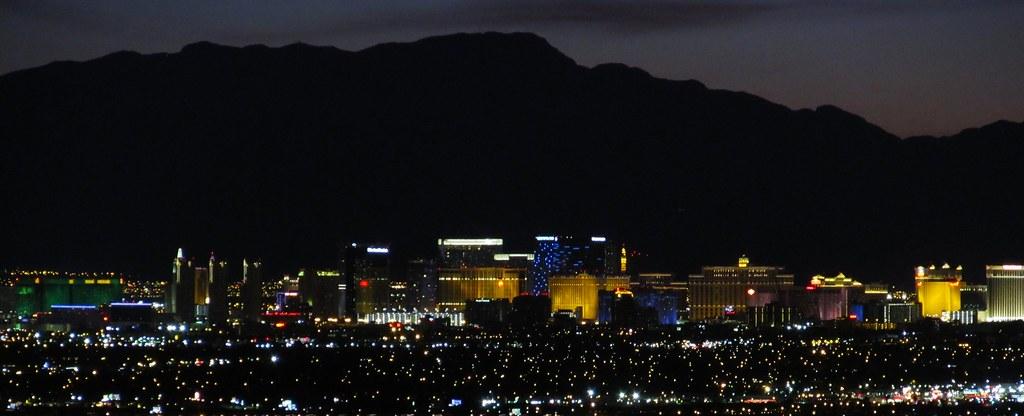
Every year, more than 40 million people visit Las Vegas. Almost none of them hike the Calico Tanks Trail at sunrise.
That particular route, a 2.5-mile scramble through Red Rock Canyon National Conservation Area, starts at the Sandstone Quarry parking lot. By 6:30 a.m. on a summer weekend, when temps are still below 85 degrees, the lot is half full, but the trail itself is quiet. The payoff at the top, a natural sandstone basin that sometimes holds rainwater, offers a view of the whole Las Vegas Valley. No slot machines. No neon. Just a basin and the sound of wind.
The city’s wellness culture has exploded over the past five years. The Southern Nevada Health District reported in its 2025 Community Health Needs Assessment that 72% of Clark County residents say they exercise for at least 150 minutes per week, up from 58% in 2020. That’s driven demand for outdoor fitness spots that don’t require a gym membership. But many newcomers, and nearly all tourists, stick to the obvious destinations: the Strip, the High Roller, the Bellagio fountains. They miss the trails that locals treat as their morning commute to sanity.
Three trails that fly under the radar
The Las Vegas Wash Coordination Committee manages a wetland corridor that runs nine miles through Henderson and into Lake Mead. The Pabco Road trailhead, tucked behind the Pabco Road basin at 2111 Pabco Road, is a dirt path that winds through cattails and mesquite. On any given Tuesday at 8 a.m., you might see a dozen runners and cyclists. By 9:30 a.m., when the sun climbs past 90 degrees, it’s empty. The committee relies on $1.2 million in annual state grants to maintain 11 miles of trails and wetlands, and a 2024 user survey found that 89% of visitors come from within 10 miles. Tourists don’t know it exists.
Four miles southwest, in the Lone Mountain area near the intersection of West Lone Mountain Road and North Rancho Drive, the Calico Ridge Loop runs a steep 3.7 miles with 800 feet of elevation gain. It’s less crowded than the main Red Rock scenic drive loop. A 2025 Clark County Parks report noted that the trailhead at 1601 Red Springs Road had an average of 47 visitors per day in May, compared to 300-plus on the popular Calico Hills trail a mile away. The county installed new interpretive signage in January 2026 describing the geology, the Aztec Sandstone is roughly 185 million years old, per the signage, and added two shaded benches paid for by the $4.5 million bond measure that voters passed in 2024.
And then there’s the Ice Box Canyon trail, also in Red Rock, but only 2.6 miles round trip. It’s a stream bed for much of the year, and the canyon walls narrow enough that you’re shaded by 10 a.m. On July 9, at 7:15 a.m., temperature at the trailhead was 78 degrees, 12 degrees cooler than the Strip’s pavement that time of day. Local hiking groups like the Las Vegas Hiking Club, which runs free weekly trips, offer guided walks there on Saturdays at 7 a.m. through the summer, rain or shine.
Why access matters
The City of Las Vegas operates 65 parks with a combined 145 miles of trails, according to the 2025 Parks, Recreation and Trails Master Plan. Nearly all of them are free. The city spent $1.8 million in 2025 to install new wayfinding signs at 22 trailheads, and also added QR codes linking to downloadable maps. A 2026 survey from the Las Vegas Review-Journal and UNLV found that 64% of respondents cited “proximity to natural spaces” as a top factor in their decision to move to, or stay in, the valley. The data aligns with the national trend: the Trust for Public Land’s 2025 ParkScore ranked Las Vegas 42nd among the 100 largest U.S. cities for park equity, but noted a 12% increase in park investment per capita since 2020.
If you want to try one of these hidden walks, go before 8 a.m. or after 5 p.m. between June and September. Bring a liter of water per person per hour. The Red Rock Canyon entry pass costs $15 per car for a day, or $45 for an annual pass, available at the fee booth on State Route 159. Most locals buy the annual pass. And if you see someone on the trail at dawn, they probably aren’t a tourist. They’re someone who knows that the best thing about Las Vegas isn’t what glitters. It’s what’s quiet.