wellness
Sleepless in the City: How Temperature, Light and Noise Affect Your Sleep Quality in Las Vegas
Vegas nights aren’t just lively on the Strip-residents across the valley face unique challenges to getting good sleep, thanks to soaring summer temperatures, city lights and late-night noise.
How we reported this
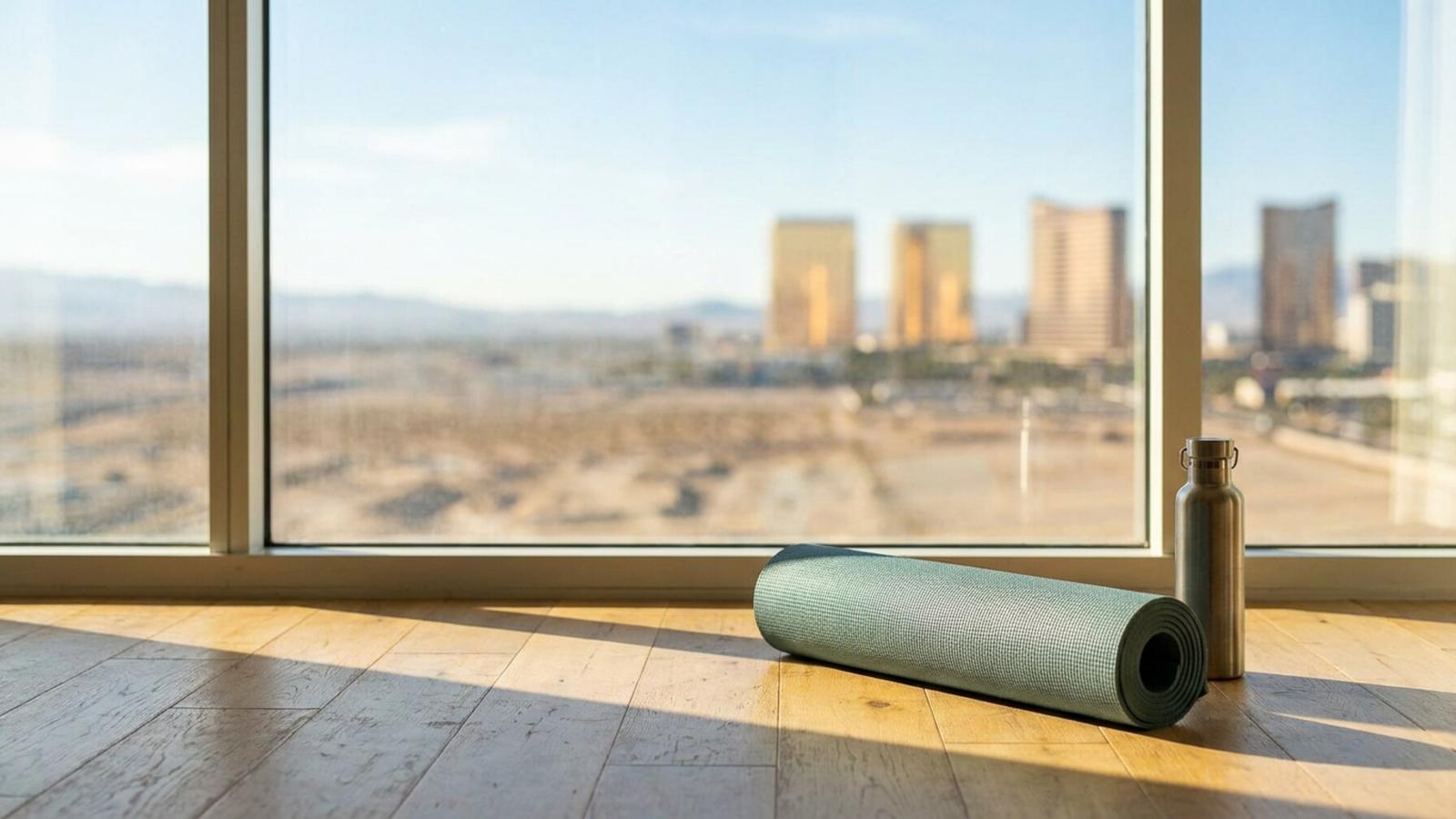
Las Vegans are sleeping less-and sleeping worse-than ever before, according to a new tally of sleep disorder complaints and growing sales of blackout curtains and white-noise devices in the valley. As downtown temperatures hover above 90°F at midnight during peak summer, local clinics report an uptick in residents struggling to get the recommended 7 to 9 hours of rest per night.
Why Sleep Health Matters-Especially in Vegas
Restorative sleep is no luxury item in Southern Nevada’s relentless climate and 24/7 environment. Studies consistently link poor-quality sleep with increased risk for heart disease, obesity, diabetes, and even reduced cognitive performance. Southern Nevada Health District’s Dr. Leigh Connors told The Daily Las Vegas that sleep problems translate directly to lost productivity and more ER visits for stress and accidents on Las Vegas Boulevard, Pecos Road, and throughout the metro area.
On the Strip, sleeplessness isn’t just a result of entertainment. Off the Strip-in Spring Valley apartments and East Las Vegas' neighborhoods like Huntridge-residents face relentless heat, flashing casino marquees, and the constant drone of traffic and HVAC units. The Clark County Library District’s Wellness Workshop Series, held regularly at the Windmill Library, recently drew crowds for its ‘Rest is Best’ session. Participants left with practical tips-like keeping temperatures between 65-70°F and using blackout shades from retailers on Charleston Boulevard-to defend their bedrooms from the city’s sensory assault.
Searing Temperatures, Blinding Lights, Relentless Noise
Las Vegas’ infamous heat isn’t just uncomfortable-it’s scientifically proven to sabotage sleep. Research from the National Sleep Foundation shows that the optimal sleep temperature falls between 60°F and 67°F. That’s a tall order in July, when NV Energy reported an average evening low of 86°F across central Las Vegas during the first week of July 2026, driving up both AC usage and complaints of insomnia.
Light pollution is another culprit. The International Dark-Sky Association rates much of central Las Vegas as a 'Class 9'-the brightest possible-on its Bortle scale. Residents near Fremont Street or the Summerlin Parkway corridor know that standard blinds rarely cut it. Sales data from Surplus King on Tropicana Avenue reveals blackout curtain sales have doubled each summer since 2022-now running about $65 per window set-while neighborhood Facebook groups trade tips on DIY window coverings.
Noise remains the third, underestimated villain. The Southern Nevada Health District’s 2024 community health assessment found that 41% of respondents cited "late-night noise from traffic or neighbors" as a frequent sleep disruptor, especially near West Sahara Avenue or close to the 215 Beltway.
What You Can Do-and Where to Get Help
Local sleep specialist clinics-like Vegas Sleep Center on Maryland Parkway and the UNLV Medicine Sleep Clinic-urge Valley residents to act now, rather than toughing it out. Their advice: invest in a programmable thermostat, wear a sleep mask, and use noise-canceling devices or smartphone apps. Simple steps like sealing gaps in bedroom doors and switching off electronics an hour before bed can make a real difference, even in a city that never truly quiets down or darkens.
Librarians at the Summerlin Library and the Boys & Girls Clubs Wellness Initiative keep resource lists for those struggling, and some community centers are ramping up summer workshops on sleep health alongside free yoga and meditation events.
Experts caution that persistent fatigue, snoring, or memory problems deserve professional attention. Finding a bit of quiet and dark at home may feel like a jackpot win-but in Las Vegas, it often takes planning and persistence.