wellness
Exercise Cuts Anxiety in 20 Minutes, Vegas Study Shows
Researchers say even 20 minutes of moderate movement can blunt anxiety symptoms, and Vegas's year-round outdoor culture makes it easier than most cities to put that to work.
How we reported this
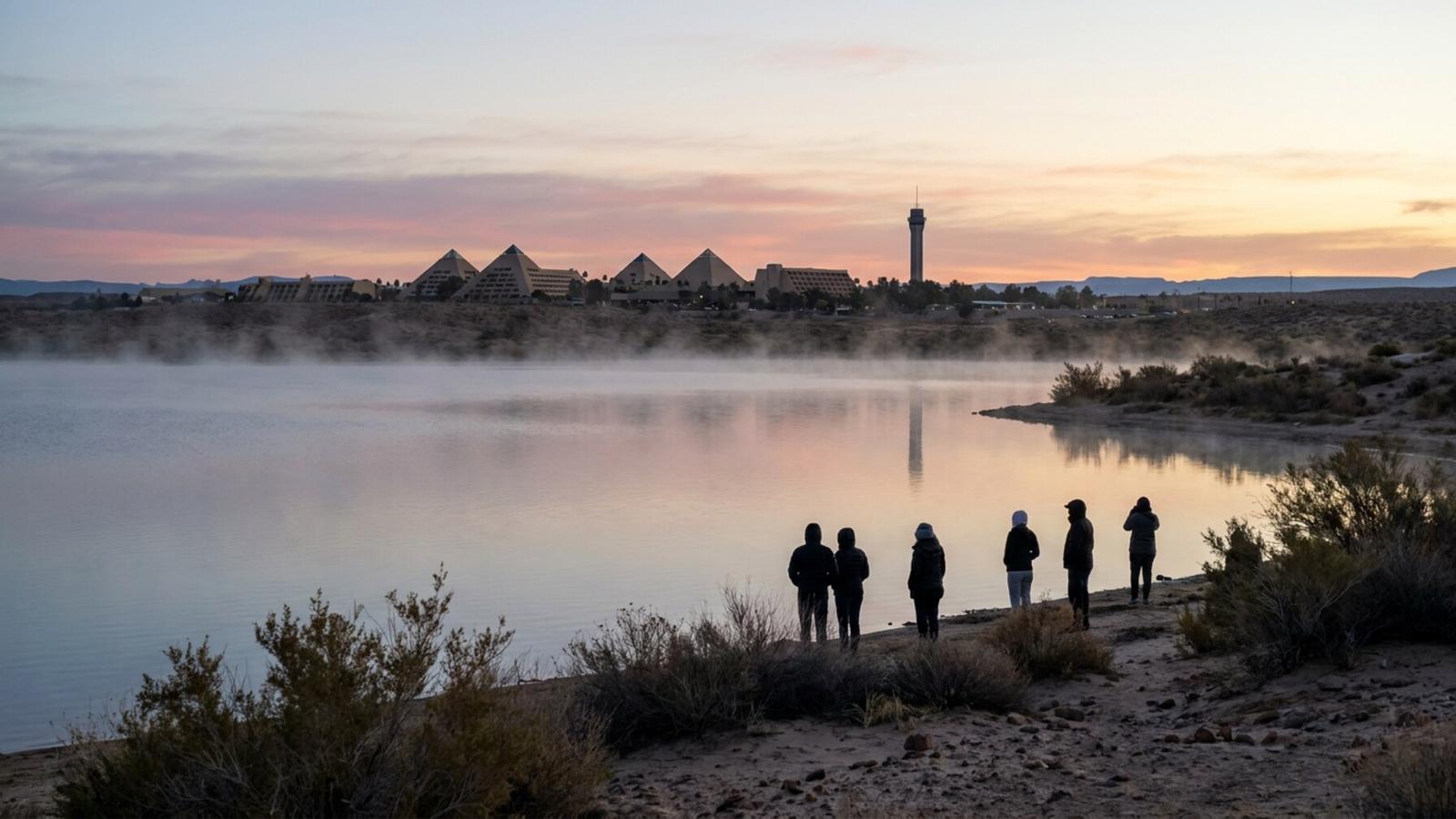
Anxiety disorders now affect roughly 40 million American adults, according to the Anxiety and Depression Association of America, making them the most common mental health condition in the country. A growing stack of clinical research points to a straightforward, low-cost intervention hiding in plain sight: physical exercise. And in a city where the mercury sits above 105°F on a July afternoon and the wellness industry has quietly become one of the Strip's biggest side businesses, Las Vegas residents are finding creative ways to move their bodies and quiet their minds.
The timing matters. Post-pandemic anxiety rates remain stubbornly elevated, and Nevada ranked 37th out of 50 states in overall mental health access in Mental Health America's 2025 report. That gap between need and care has pushed many Southern Nevadans toward self-managed strategies, and exercise is increasingly the one mental health professionals keep circling back to.
What the Research Actually Shows
A landmark 2023 meta-analysis published in the British Journal of Sports Medicine reviewed 97 clinical trials covering more than 1,000 studies and found that physical activity reduced depression and anxiety symptoms significantly more than standard care alone. The effect held across age groups and income levels. Critically for busy people, the research identified 150 minutes of moderate aerobic activity per week, roughly 20 minutes a day, as the threshold at which mental health benefits become measurable and consistent. That's a 30-minute walk through the Arts District on a Thursday evening, not a triathlon.
The mechanism isn't mysterious. Exercise elevates norepinephrine levels, which helps the brain moderate its stress response. It also triggers a release of endorphins and, over time, promotes neuroplasticity, the brain's ability to rewire itself. For people managing generalized anxiety disorder, that rewiring can mean the difference between a racing 2 a.m. thought spiral and an actual night's sleep.
Las Vegas Is Building the Infrastructure to Help
The City of Las Vegas Parks and Recreation Department operates 68 parks across the metro area, many of which now host free structured programming specifically marketed around mental wellness. The Vegas Urban Trail system, which threads through downtown and connects to the Arts District near South Main Street, sees an estimated 3,000 walkers and joggers weekly, according to city figures released in March 2026. Sunrise Mountain Natural Area in the east valley offers nearly 12 miles of trails that stay shaded until mid-morning, a practical advantage in summer.
On the commercial side, the 2025 expansion of WellnessVegas, a nonprofit based near the Medical District on Shadow Lane, added anxiety-focused group fitness classes pairing breathwork with low-intensity movement. Monthly memberships run $45, with sliding-scale options available. Lifetime Fitness at the Town Square Las Vegas development on Las Vegas Boulevard South has separately launched a mental wellness track, pairing certified trainers with licensed therapists through a partnership that began in January 2026. Single-session drop-ins cost $25.
The Downtown Container Park on Fremont East hosts a community yoga series every Saturday morning at 8 a.m. through October, free to the public. Attendance has averaged around 120 people per session since May, organizers said, numbers that suggest the demand for accessible, low-barrier movement options is real and growing.
Heat is the obvious obstacle. The Nevada Department of Health recommends outdoor exercise before 9 a.m. or after 6 p.m. from June through September. Indoor alternatives matter. The City of Las Vegas Community Centers on Owens Avenue and on Durango Drive both offer air-conditioned gym floors open to residents for $2 per day drop-in. For anyone priced out of boutique fitness, that's a workable entry point.
Clinicians at the Vegas Behavioral Health Center on West Warm Springs Road recommend combining structured movement with at least one other evidence-based anxiety strategy, whether cognitive behavioral therapy, consistent sleep schedules, or reduced caffeine. Exercise is not a replacement for professional care. Anyone experiencing severe or persistent anxiety symptoms should consult a licensed mental health professional or primary care physician. But for the millions managing everyday stress in a city that runs 24 hours and never defaults to quiet, breaking a sweat before the sun gets brutal might be the most underused tool available.