Politics
Federal Policy Shifts on Housing and Infrastructure: What It Means for Las Vegas Residents
Changes to national housing and infrastructure funding are beginning to reshape access, affordability and future development for Las Vegas families and businesses.
How we reported this
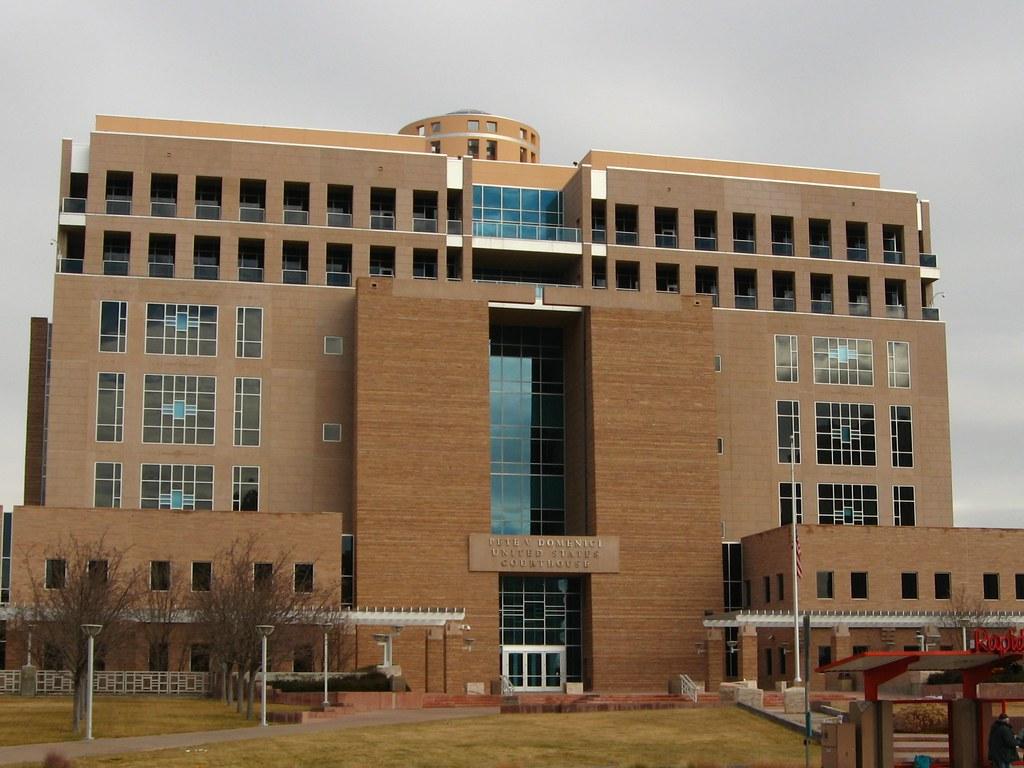
Las Vegas residents are starting to feel the impact of new federal policies on housing and infrastructure, with shifts in funding and regulations influencing everything from rent prices to road repairs. Local government agencies and community groups are working to understand how these nationwide changes will shape the economic landscape and daily realities for Nevadans in the months ahead.
Why Federal Changes Matter Now
Policy analysts say recent decisions coming from Washington are especially significant for Las Vegas as the city continues to recover from the disruptions of the past few years. Local experts point out that Las Vegas, with its mix of rapid population growth and strong reliance on service industries, is particularly sensitive to federal funding priorities that affect public transport, affordable housing and water infrastructure. With the latest Congressional appropriation cycles, specific directives have altered the allocation formula for critical grants. Community advocates note that this is expected to influence how much money arrives in Clark County for affordable housing initiatives and road upgrades.
What Las Vegans Are Seeing on the Ground
For residents, the policy changes translate to concrete effects on rent levels, road conditions and the pace of new development. Housing advocates note that some local families are reporting it is harder to find affordable rentals this summer, with landlords adjusting lease terms in part due to uncertainty about federal voucher support and grant availability. Local infrastructure officials say that planned upgrades to certain intersections and transit lines are proceeding more slowly than originally scheduled, due in part to changes in federal cost-sharing terms. Small businesses along key boulevards have voiced concern about the impact of delayed street repairs on foot traffic and accessibility, according to recent community meetings documented by city council briefings.
According to the most recent city planning documents, Las Vegas receives a substantial portion of its affordable housing support and transit funding through federal Community Development Block Grants and Transportation Infrastructure Finance and Innovation Act (TIFIA) programs. The city’s fiscal 2026 budget report highlights federal dollars as a crucial piece of its long-term planning for water management and sewer upgrades, particularly as southern Nevada faces ongoing drought conditions. The federal infrastructure law’s funding formula is projected to affect how soon Las Vegas can scale up certain projects, especially those related to flood control and new public parks.
Evidence and the Path Forward
Budget papers published by the City of Las Vegas and Clark County indicate that millions in federal grant funds have been earmarked for local transportation and affordable housing projects over the next year. City officials say these funds directly support public works projects such as road resurfacing, bus fleet expansion, and renovation of community centers in heavily trafficked neighborhoods like the historic Westside and downtown. Data from the Southern Nevada Regional Housing Authority show ongoing strong demand for federally assisted housing in the valley, with waitlists for supportive programs remaining lengthy.
Looking ahead, local policymakers are coordinating with state and national representatives to ensure Las Vegas maintains access to key funding streams under the new federal guidelines. The city council has scheduled forum meetings this month to gather feedback from residents about their priorities for infrastructure and housing, aiming to inform local budget requests in the next federal cycle. Policy analysts say Las Vegas will likely seek additional flexibility in how federal dollars can be spent, to address the specific climate, population and economic needs of the city. The community is expected to keep advocating for predictable, sustained funding as the effects of the policy changes continue to play out in neighborhoods across the valley.