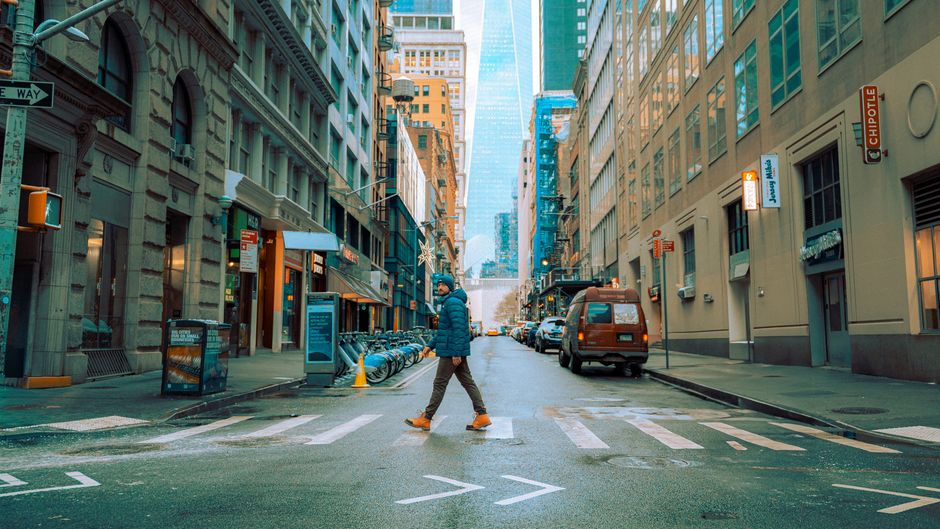
Las Vegas city officials launched an accelerated duplicate-image replacement effort this week, targeting municipal websites and public-facing digital platforms that had accumulated hundreds of redundant or outdated photographs — some dating back more than a decade. The cleanup, coordinated through the City of Las Vegas Office of Communications, is aimed at refreshing the digital identity of city services ahead of the peak summer visitor season, when traffic to official municipal pages typically spikes.
The timing is deliberate. Downtown Las Vegas and the Arts District corridor have both undergone significant physical changes in recent years, with new infrastructure, repainted crosswalks along Casino Center Boulevard, and renovated public parks meaning that stock photography used across city pages no longer reflects what residents and tourists actually encounter on the ground. Presenting an accurate visual record has taken on new urgency as the city competes for major conventions and events through the Las Vegas Convention and Visitors Authority.
What the Audit Found
The review, which began in late June 2026, identified more than 400 instances of duplicate images spread across the City of Las Vegas official website — las vegas-nv.gov — as well as department-specific portals operated by the Department of Public Works and the Parks and Recreation Division. Several images of Symphony Park, the 61-acre development hub adjacent to the Smith Center for the Performing Arts, showed construction-era photography that predated the opening of multiple buildings now fully operational on the site.
Staff in the communications office flagged the problem after a routine content review revealed that some neighborhood-level pages — including those covering the Historic Westside and the area around Martin Luther King Boulevard — were pulling from the same three or four image files, creating visual repetition that undermined the distinct character of each community. The department has been working with a contracted digital-asset management vendor to catalog replacements.
Images for city recreation facilities presented a particular challenge. The Pavilion Center Pool at Pavilion Center Drive and the Desert Breeze Community Center on Spring Mountain Road both appeared in each other's gallery listings, a swap that had apparently persisted unnoticed since at least a 2019 website migration. City staff confirmed the error this week and said corrected images are scheduled to go live before July 7.
Why Accurate Imagery Matters for City Pages
Beyond aesthetics, the duplicate-image problem carries a practical cost. Research published by the Nielsen Norman Group found that users who encounter obviously mismatched or recycled visuals on government websites lose confidence in the accuracy of the information on that page — a significant concern for portals that direct residents to permit applications, utility payments, and emergency services.
The City of Las Vegas website handles a substantial transaction load. According to figures the city reported in its fiscal year 2025 annual report, the platform processed more than 1.2 million unique visits in that 12-month period, with peaks during summer months tied to permit inquiries and parks reservations. Even a modest erosion of user trust can push residents toward calling city offices directly, adding strain to departments already managing high call volumes.
The replacement project also intersects with a broader digital accessibility initiative the city announced in March 2026, which requires all new images uploaded to official platforms to include alt-text descriptions compliant with WCAG 2.1 standards. The communications office said the duplicate-replacement effort will double as an opportunity to bring the entire existing image library into compliance with those accessibility rules — a process that had been stalled partly because of the volume of duplicates making the catalog difficult to navigate.
Residents who notice additional errors — misidentified locations, outdated facility photos, or images used on the wrong neighborhood page — can submit corrections through the city's general feedback portal. The Office of Communications said it expects the bulk of the replacement work to be completed by the end of July, with a final audit scheduled for August before any remaining images are signed off. Department pages maintained by separate agencies, including those run by the Regional Transportation Commission of Southern Nevada, are not part of this round of updates but could be folded into a subsequent phase of the project.