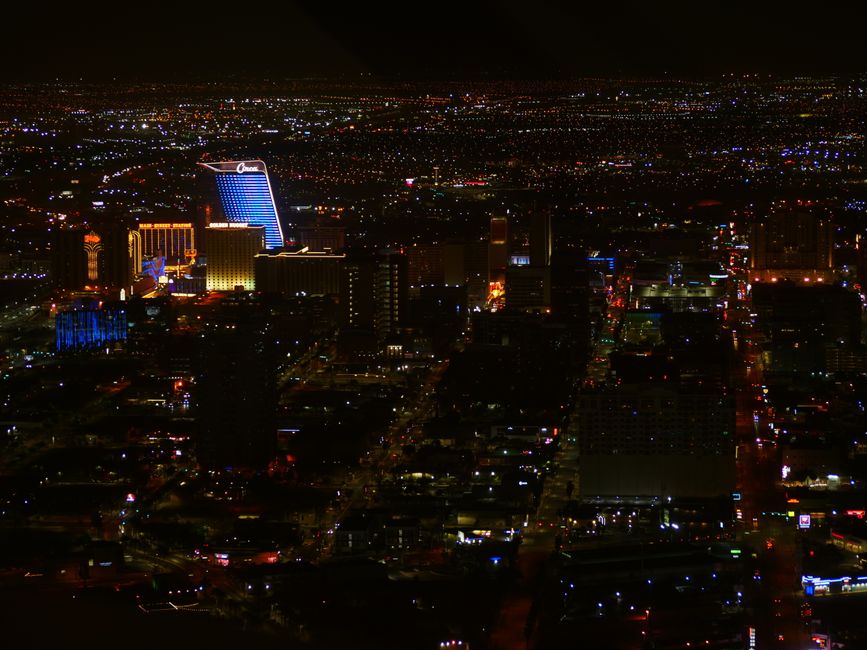
Las Vegas recorded its 23rd consecutive day above 110°F this week, pushing Clark County's emergency cooling infrastructure to near-capacity and forcing city officials to extend hours at 14 designated cooling centers across the valley. The timing is brutal: France buried more than 2,000 excess deaths from its peak heatwave fortnight, and the global conversation about how cities protect residents from extreme heat has never been louder or more urgent.
What makes this week different from past summers is that Las Vegas is no longer treating heat purely as a weather problem. The city is treating it as a public health and urban-design crisis — and the gap between Las Vegas, Dubai, and Phoenix in how they're responding is sharper than most residents realize.
What Las Vegas Is Actually Doing
The Southern Nevada Health District expanded its Cool Zone program in June 2026 to include 41 sites countywide, up from 29 last summer. That includes libraries on West Charleston Boulevard, recreation centers in Henderson, and the East Las Vegas Community Center on Bonanza Road — a facility that logged more than 800 visitor check-ins during the June 28 peak. The Regional Transportation Commission extended free bus service on eight high-traffic routes through September 1, specifically so residents without cars can reach those sites without standing in direct sun.
Downtown, the city approved a $4.2 million contract in May with a Phoenix-based shade-structure firm to install 37 new pedestrian canopies along Fremont Street East between Las Vegas Boulevard North and Eighth Street. Construction begins in August, which critics have already noted is a month too late for this summer. The Las Vegas Convention and Visitors Authority separately committed $1.8 million toward misting stations along the Resort Corridor — the stretch of Las Vegas Boulevard South between Sahara Avenue and Russell Road — ahead of a projected 42-million-visitor year.
None of this is cheap or fast. Nonprofit organization Nevada Health Link reported a 31 percent spike in heat-related emergency room visits in the first two weeks of June compared to the same period in 2025. Unhoused residents on the Corridor near the Salvation Army Shade Tree shelter and the intersection of Main Street and Owens Avenue remain the most exposed population. The county allocated $600,000 in June for outreach workers to distribute water and sunscreen through the end of August.
How Las Vegas Compares to Dubai and Phoenix
Dubai, where July temperatures regularly hit 115°F, has spent years building underground pedestrian networks and mandating air-conditioned bus stops — a program the Dubai Roads and Transport Authority rolled out to more than 1,400 stops by 2024. Las Vegas has roughly 3,300 RTC bus stops, and fewer than 200 have any form of shade or shelter. Phoenix, the comparison city most planners invoke, launched a Heat Emergency Response system in 2023 that dispatches city-branded cooling vans directly to street-level heat alerts flagged by residents via a mobile app. Las Vegas has no equivalent real-time dispatch system yet, though Clark County confirmed this week it is piloting a geo-tagged alert program with UNLV's School of Public Health, targeting a 2027 rollout.
The difference in scale matters. Dubai spends an estimated $500 per resident annually on urban cooling infrastructure, according to 2024 Gulf state municipal budget analyses. Phoenix's Maricopa County budgeted roughly $47 per resident on heat mitigation in fiscal year 2026. Clark County's equivalent figure sits around $31 per resident when you combine state, county, and city line items — lower than either comparable city, in a valley that recorded 135 heat-associated deaths in 2025, per the Clark County Office of the Medical Examiner.
The city's next concrete decision point comes July 15, when the Las Vegas City Council votes on an emergency appropriation that would fast-track $2.1 million toward shade structures and expanded Cool Zone staffing before Labor Day weekend. Residents can track cooling center hours and bus route extensions through the Regional Transportation Commission's rtcsnv.com portal, updated daily. If the July 15 vote passes and construction timelines hold, some Fremont East canopies could be functional by early October — which, given this summer, will feel both too late and absolutely necessary.
This article was compiled by AI and screened before publishing. See our editorial standards.