lifestyle
Local Communities Reshape Las Vegas Identity Beyond the Neon Strip
From the historic charm of downtown corridors to the burgeoning arts districts, here is how local communities are reshaping the identity of Las Vegas.
How we reported this
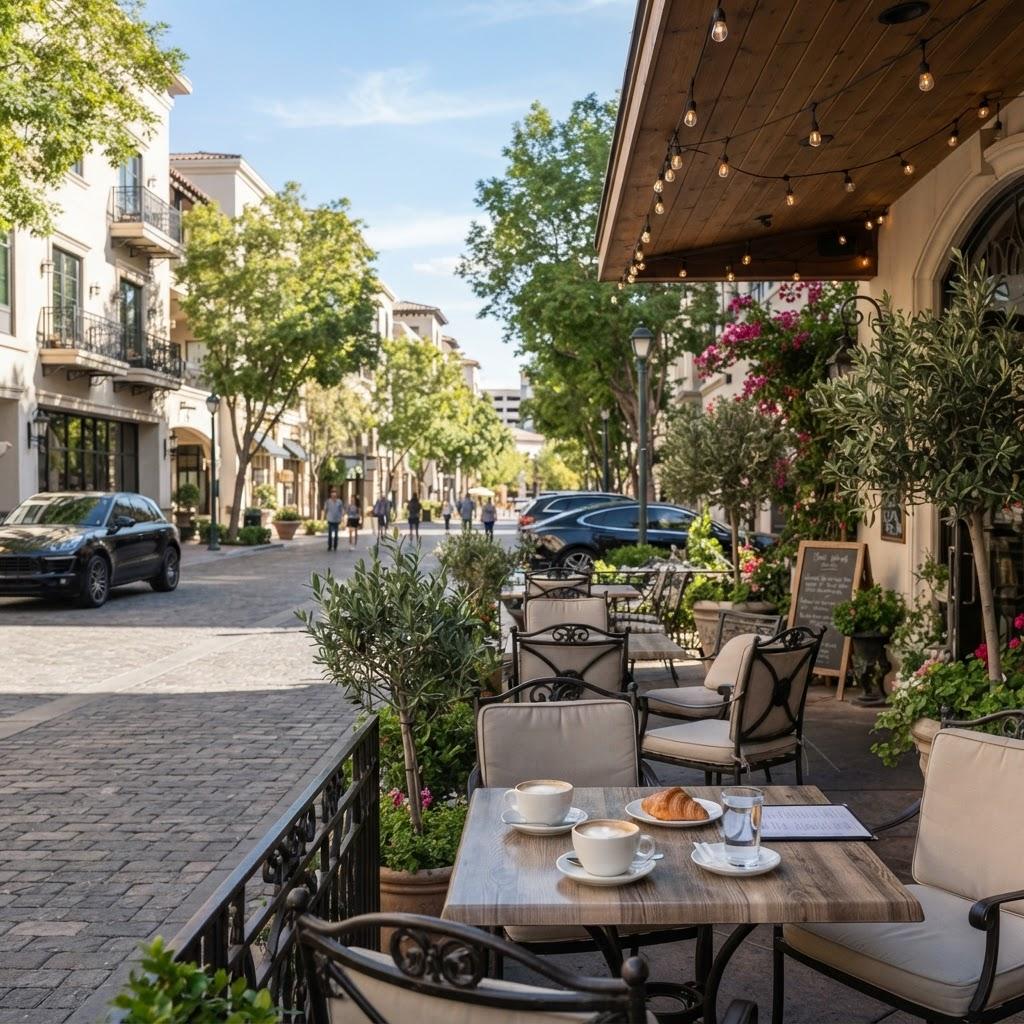
Las Vegas is currently undergoing a shift in its residential identity, moving beyond the traditional resort corridor to emphasize hyper-local cultural hubs. While the city remains a center for tourism, the character of its residential pockets is increasingly defined by independent businesses and grassroots community efforts, particularly as residents prioritize walkability and shared public spaces in neighborhoods like the Arts District and Summerlin.
This evolution matters as the city attracts a more permanent, diverse workforce looking for long-term stability outside of the transient hospitality cycle. New development patterns suggest that the social fabric of the city is becoming more segmented, with each area cultivating a specific aesthetic and economic ecosystem that distances itself from the standard Strip experience.
The Arts District and Historical Enclaves
The 18b Arts District continues to function as the creative heart of the city. Centered around Main Street and Casino Center Boulevard, the area features dense clusters of galleries and specialized retail. Institutions like the Arts Factory have transformed old industrial spaces into active studios, influencing the pedestrian-heavy vibe that defines the neighborhood. A few blocks away, the historic Huntridge neighborhood offers a different, more residential character, known for its mid-century modern architecture and tree-lined streets that provide a stark visual contrast to the desert landscape.
Growth and Community Density
Data provided by local housing authorities and regional planning reports indicate that residential interest in non-gaming corridors has surged. According to the Las Vegas Valley Housing Market Report published in early 2026, property absorption rates in master-planned communities have remained consistently high, reflecting a broader trend of families relocating to the periphery of the valley. These neighborhoods, particularly in the western and southern reaches near Red Rock Canyon, are seeing increased investment in amenities such as community parks and public library branches.
For those looking to explore these shifts, the best approach is to start with the weekend morning markets found along Main Street. These gatherings offer a direct window into the community’s current interests and local business climate. As the summer heat peaks, most community activity in July focuses on indoor-outdoor hybrid spaces, particularly in districts where shade-cover architecture has been prioritized by local zoning boards. Residents and visitors alike are advised to check individual neighborhood association calendars for specific upcoming cultural events.