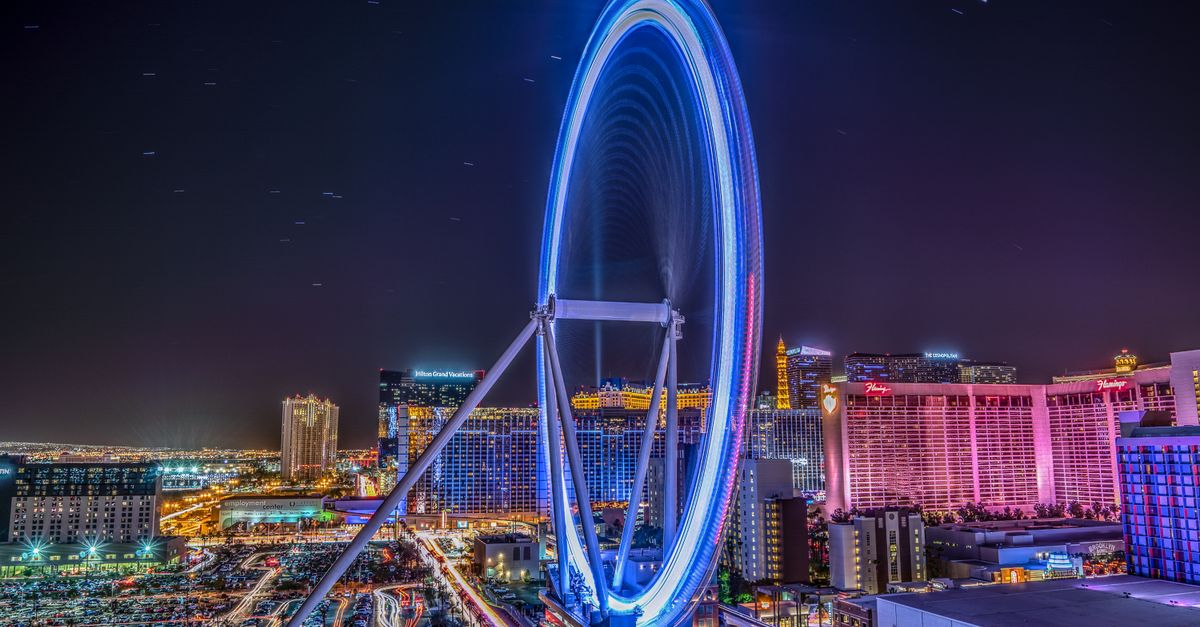
The thermometer in downtown Las Vegas will hit 115 degrees by mid-July. Most tourists will retreat to air-conditioned casinos. But inside the Arts District, along the converted warehouses and galleries that line South Main Street, something different is happening. A coalition of local artists, nonprofit leaders, and independent venue operators has assembled the busiest month of cultural programming the city has seen since before the pandemic—and they did it without a single major corporate sponsor.
What's driving this July surge reflects a deeper shift in how Las Vegas is thinking about itself. For decades, culture in the city meant headline acts at the Venetian or Cirque du Soleil residencies. Those productions still matter. But the appetite for work created by locals, for locals, has fundamentied since 2020. As international travel restrictions lifted and the pandemic's economic shock wore off, what remained was a generation of artists who had learned to build audiences without waiting for permission from corporate gatekeepers.
Cristina Ibarra, who runs the Nevada Museum of Art on West Charleston Boulevard, has watched this transformation firsthand. This summer, the museum is hosting four concurrent exhibitions, including a retrospective of work by Southwestern painters drawn from private collections across Nevada and Utah. Ibarra says the shift began three years ago when attendance at traditional museum hours—9 a.m. to 5 p.m. weekdays—began fragmenting. People were coming on Thursday nights for the extended hours, bringing friends, staying longer. The museum adjusted its programming to match that behavior. By July 2026, Thursday and Friday nights now draw more visitors than weekend afternoons.
Meanwhile, three blocks south at The Intersection, a performance space housed in a former auto-body shop at 1320 South Main Street, booking director Marcus Chen has scheduled thirteen shows across four weeks. Bands from Los Angeles, Phoenix, and Albuquerque are rotating through alongside local acts. Ticket prices range from $15 to $35. The venue holds 250 people. Chen says The Intersection didn't exist five years ago. It grew from informal warehouse parties into a licensed venue precisely because there was no formal infrastructure for mid-sized bands in the city. "We're not competing with the big rooms," Chen said in a recent interview. "We're creating a space that didn't exist before."
The Numbers Behind the Cultural Boom
Data from the Las Vegas Cultural Alliance, an umbrella organization tracking programming across independent venues and nonprofits, shows that July 2026 has 127 distinct cultural events scheduled—theater productions, film screenings, gallery openings, live music, dance performances, and artist talks. That's double the number from July 2023. Attendance across these events in 2025 totaled approximately 34,000 people, according to the Alliance's annual report released in April. Most of those attendees were locals, not tourists. Sixty-three percent had lived in Clark County for more than five years. Average ticket price across all venues was $22.
The growth has costs. Many of these venues operate on thin margins. The Intersection pays $4,200 a month in rent. The Nevada Museum of Art recently received a $800,000 grant from the Nevada Arts Commission to expand its Thursday programming, a sign that government agencies are beginning to recognize the cultural infrastructure gap. But funding remains fragmented. Most independent venues and artist collectives cobble together support through individual donations, ticket sales, and occasional foundation grants.
What distinguishes this moment from previous booms is the deliberateness of it. These aren't cultural institutions built by a handful of wealthy patrons or corporate boards. They're built by people who work other jobs, who book shows in their spare time, who volunteer on gallery committees. Maria Delgado runs a nonprofit called Las Vegas Arts Rising from a small office in the Arts District. The organization provides micro-grants to emerging artists and helps independent venues navigate licensing and insurance requirements. She sees her role as infrastructure work—not glamorous, but essential. "The people making decisions about what gets built next shouldn't just be developers," Delgado said. "They should include the people who are actually doing the work."
What to Catch Before August
For residents looking to venture out during July's brutal heat, the programming runs the gamut. The Nevada Museum of Art's current slate includes the Southwestern painting retrospective (through August 10), a photography exhibition focused on climate change in the Great Basin (through September 15), and a series of artist conversations held Thursday evenings at 6 p.m. The Intersection has upcoming shows July 12, 19, and 26. Tickets are available through their website or at the door. Several galleries along South Main Street stay open late on the first Friday of each month—July 4th falls on a Thursday this year, but the First Friday programming will happen July 11, drawing crowds typically between 8 p.m. and midnight when outdoor temperatures finally drop below 100 degrees.
The infrastructure these artists and curators have built won't solve every problem. Las Vegas still needs more funding, more physical space, more institutional support. But walk through the Arts District on a Thursday night in July, and you'll see something that didn't exist half a decade ago: a cultural scene that belongs to the people who live here, not the tourists passing through.